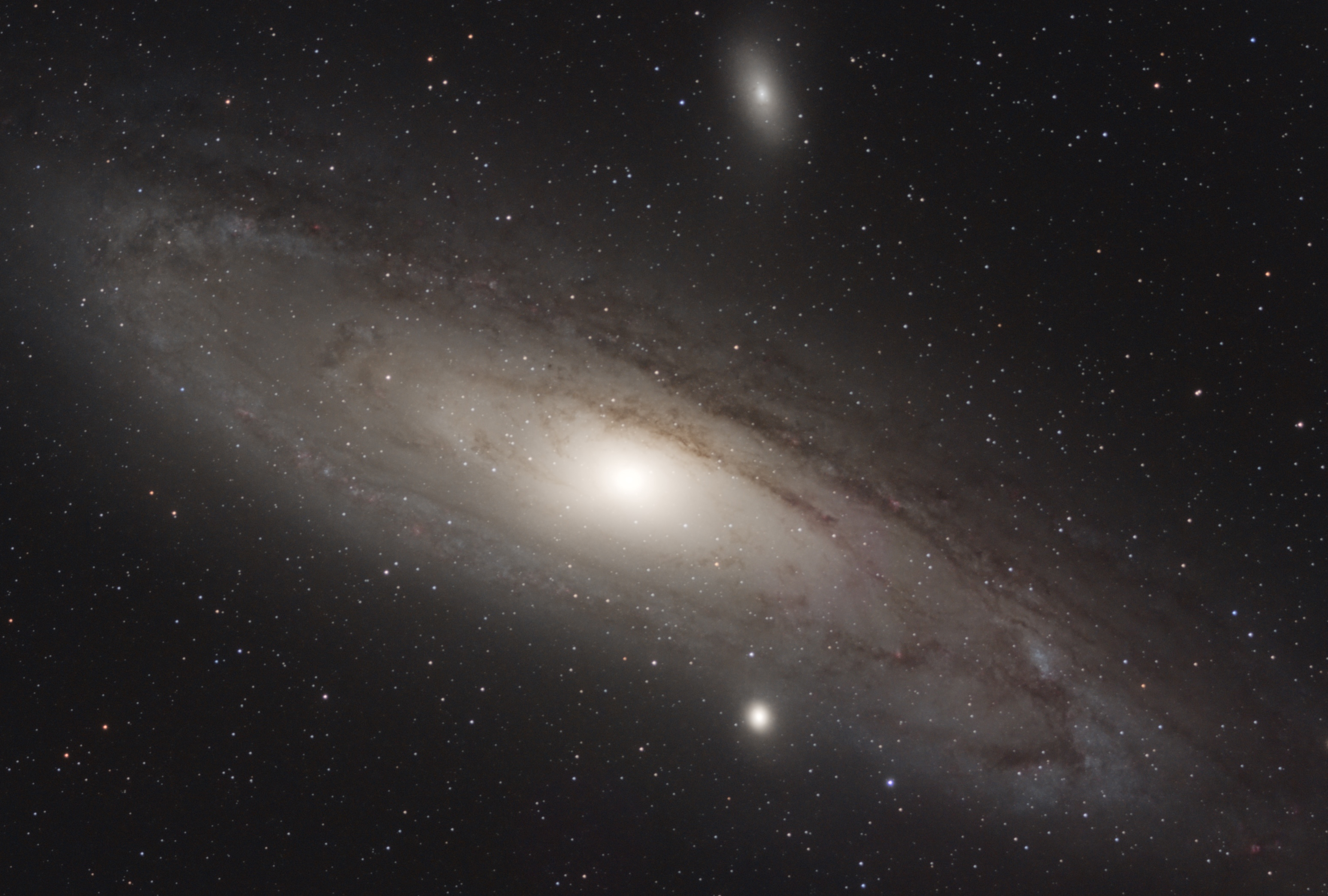
Andromeda Galaxy
The Andromeda Galaxy (M31) is a barred spiral galaxy located approximately 2.5 million light-years from the Milky Way, making it the nearest massive galaxy in the Local Group. With an estimated stellar mass of about 1011 solar masses and a diameter of roughly 220,000 light-years, it exceeds our Milky Way in both size and luminosity. Its structure includes a prominent central bulge, multiple spiral arms, and an extended disk populated by star-forming regions and dust lanes visible in optical wavelengths. Andromeda hosts a rich system of globular clusters and satellite dwarf galaxies, and its kinematics indicate it is on a collision course with the Milky Way, with a predicted merger timescale on the order of 4–5 billion years.
Part 3 - SAL33 Harmonic Mount phase
Still waiting for the mount to come.
Fully automated setup made of:
- SAL33 Harmonic Drive Mount
- William Optics GT71 telescope
- William Optics Flattener .8x 6A III
- ZWO Filter Drawer (to manually switch between H-alpha, OIII and S2 3nm filters)
- PegasusAstro Electronic Focuser
- RisingCam 26mp High resolution imx571 - Cooled colour
- Using Nina for Image Acquisition
Part 2 - Introducing dedicated astro camera
After a few years of playing with the old DSLR camera, I jumped to the RisingCam 26mp High resolution imx571 APS-C 1.8 dedicated astro camera. This stage of shooting includes filter based photography for H-alpha and OIII (planning to buy the S2 filter too).
I still have quite a few problems with the tracking part, unable to have PHD2 RMS error under 2-3. I am planning to buy a new mount that can handle a more smooth tracking and meridian flip like SAL-33.
The result is below, which can be downloaded in full size high resolution image.
Part 1 - Initial attempt
It was the very first target I shot with my new William Optics GT71 telescope. After months of waiting for the telescope to arrive and then for the weather to clear up, I just had to take advantage of two nights with clear sky, even if the Moon was > 86% illumination.
Being the first deep sky object with a new telescope, I spent a lot of time under the night sky, playing with the focuser and the Bahtinov mask, enjoying the new toy and playing with the ZWO ASI 120mm camera used for tracking. From my experience, introducing a new object or change in your astro-photography shooting session will require a learning curve, no matter how much research you do before the shooting session. First night out with my new William Optics GT71 was a great success considering the Moon illumination and the limited amount of time I had for shooting the target.
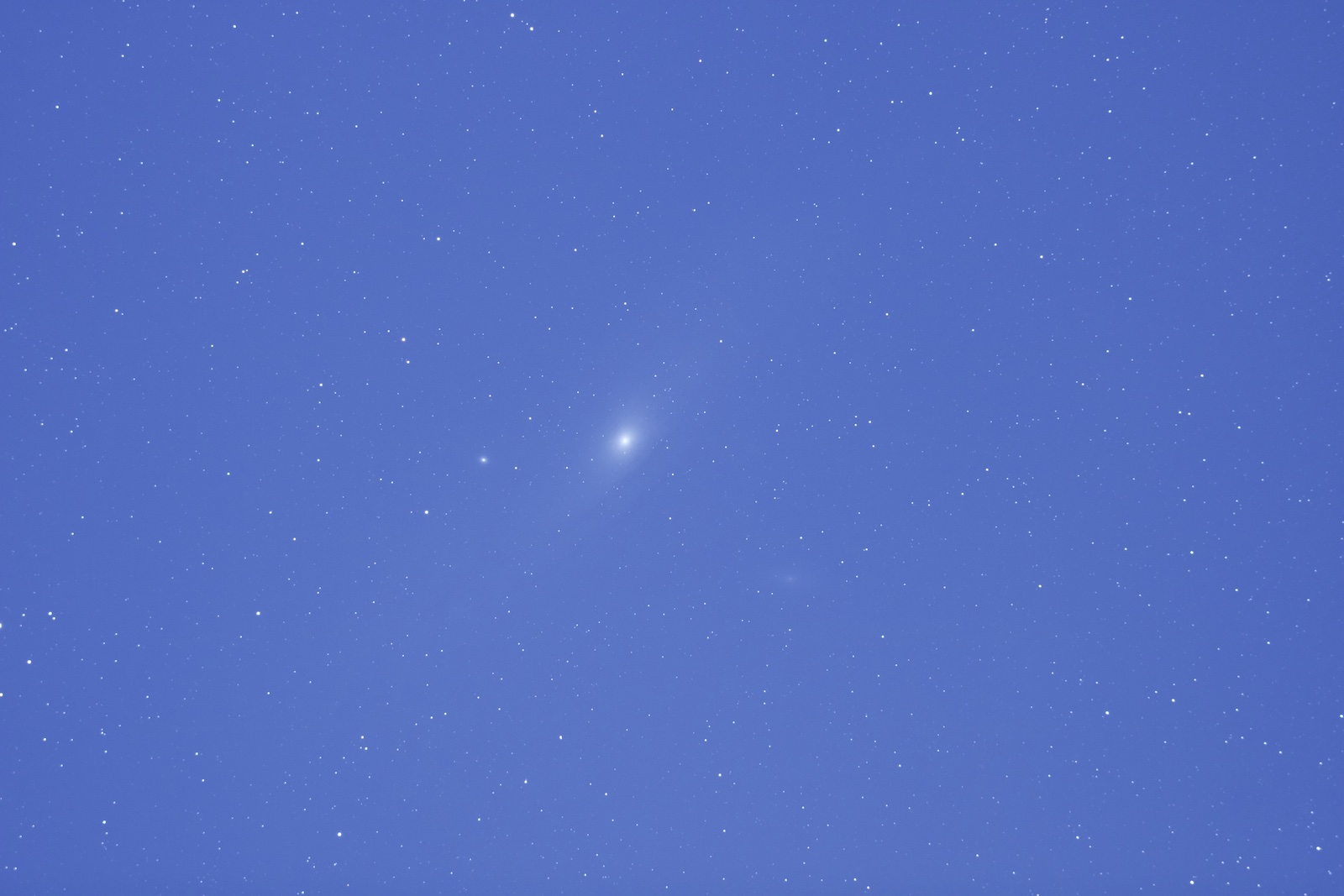
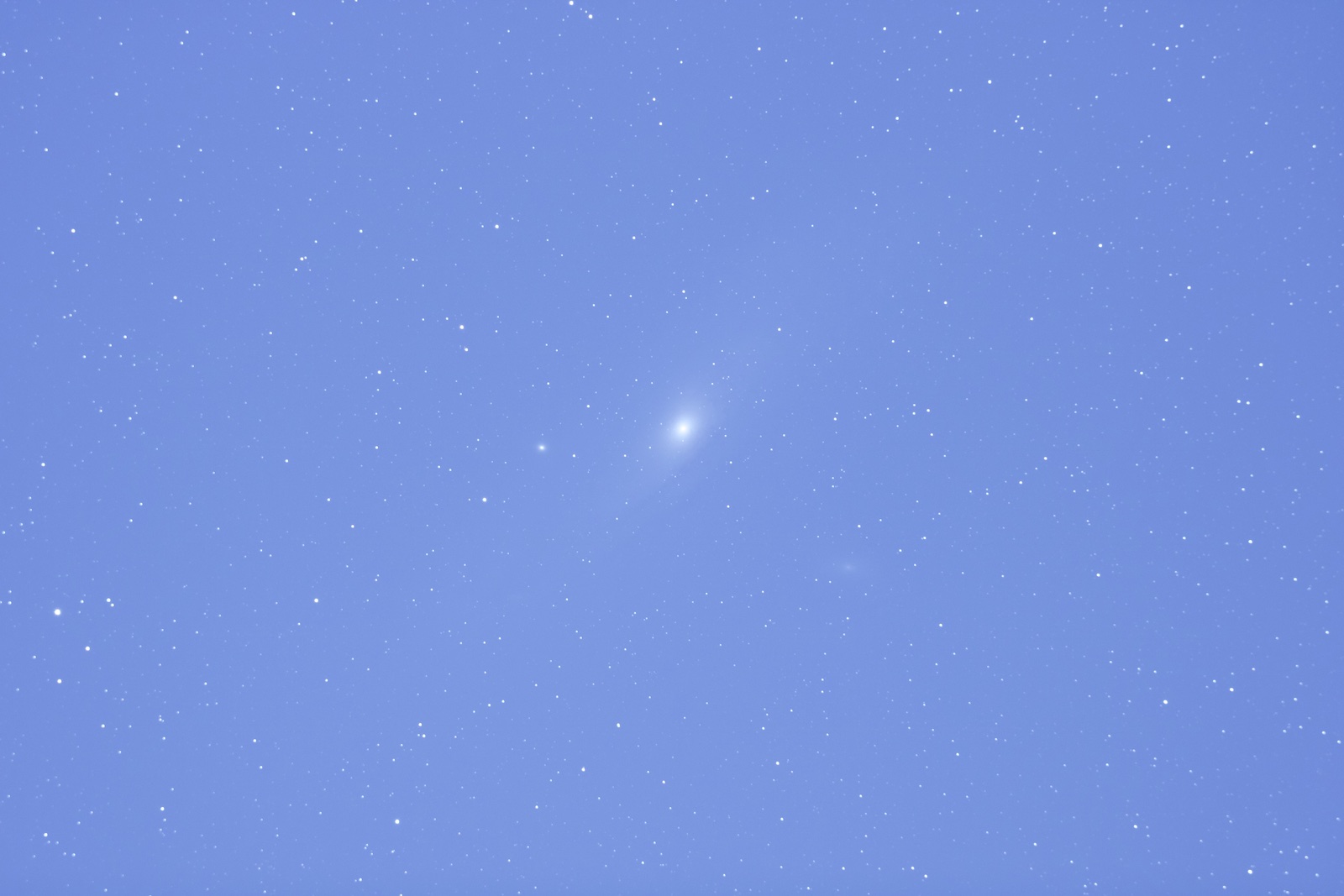
The brightness of the nightly sky can be seen in the first two single shots presented in the gallery, followed by the final processed image.
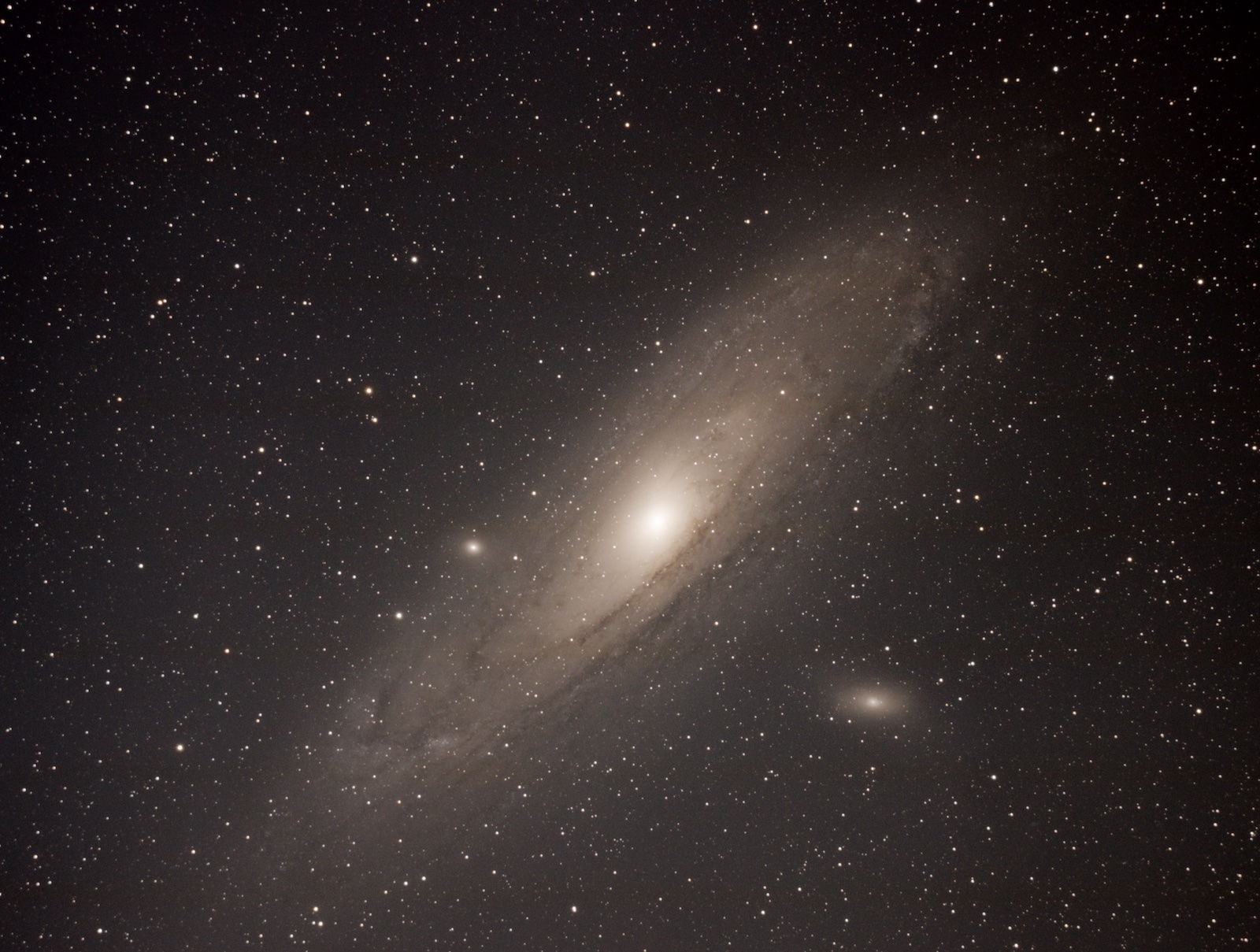
You can also download the full size high resolution image. Download (78 MB)
The image was taken via tracking with the ZWO ASI 120mm and with dithering, although I am not confident that the error tracking values were really the bests. Still the PHD2 tool was showing that it was tracking and I was not able to observe any star trailing.
Lots of things to improve in both the acquisition and processing phases, like optimizing the time spent under the night sky by imaging and not adjusting stuff or even a better dedicated camera, I’m still extremely happy with the first deep sky object image.